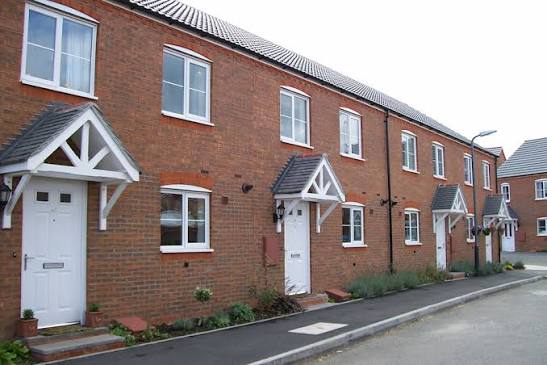
What Is Council Housing?
Council housing is rented accommodation provided by a local authority. Social housing can also be provided by housing associations, sometimes called registered social landlords.
These homes are generally offered at rents below typical private-market levels and may provide more secure tenancy arrangements. Available properties can include:
-
Flats and maisonettes
-
Terraced and semi-detached houses
-
Bungalows
-
Sheltered housing
-
Accessible homes
-
Family-sized properties
-
Supported accommodation
The types of homes available depend on the local area and existing housing stock.
Who Can Apply for Council Housing?
Eligibility rules vary between councils and different parts of the UK. Local authorities may consider:
-
Your age
-
Immigration and residency status
-
Current housing conditions
-
Household income and savings
-
Whether you own another property
-
Your connection to the local area
-
Previous tenancy history
-
The number of people in your household
-
Medical or accessibility requirements
-
Whether you are homeless or at risk of homelessness
In England, applicants are normally aged 18 or over, although some councils accept applications from people aged 16 or 17. In Scotland, people aged 16 or over can apply for social housing.
Being eligible to apply does not guarantee that a property will be offered.
How to Apply for a Council Home
1. Find Your Local Council
Use your postcode to identify the council responsible for housing services in your area. Visit its official website and search for:
-
Council housing
-
Social housing
-
Housing register
-
Choice-based lettings
-
Housing application
2. Check the Allocation Policy
Each council publishes rules explaining who can join its register and how applicants are prioritised. Review these rules before completing the application.
3. Complete the Housing Application
Applications are usually completed online, although telephone, paper or in-person assistance may be available.
Provide accurate information about everyone who will live in the property.
4. Submit Supporting Evidence
The council may request proof of identity, income, current address, housing conditions and any medical or welfare needs.
5. Wait for the Assessment
The housing team will review the application and decide:
-
Whether you qualify for the register
-
Which property size you require
-
Your priority band or number of points
-
Whether additional evidence is needed
6. Search or Bid for Properties
Some councils use choice-based lettings. Eligible applicants can express an interest, often called “bidding”, in advertised properties.
Bidding does not involve paying money. It means asking to be considered for an available home.
How Does the Waiting List Work?
Councils normally use a points or banding system. Greater priority may be given to applicants who:
-
Are homeless or threatened with homelessness
-
Live in overcrowded accommodation
-
Live in unsafe or unsuitable housing
-
Have a serious medical condition affected by their home
-
Need an accessible property
-
Are experiencing domestic abuse
-
Need to move for urgent welfare reasons
-
Have dependent children in unsuitable accommodation
Applicants with similar levels of need may be ranked by waiting time, local connection or other criteria in the council’s allocation policy.
How Long Is the Waiting Time?
There is no standard UK waiting time. It depends on:
-
The number of available properties
-
Your priority band or points
-
The areas you select
-
The property size required
-
Accessibility requirements
-
The number of other applicants
-
How often you bid on suitable homes
High demand means some applicants may wait a long time. Joining a housing register does not guarantee that you will receive a property.
Choosing a wider area or considering different property types may increase the number of suitable homes available, but only select areas where you could realistically live.
Documents You May Need
Prepare documents such as:
-
Passport, birth certificate or photo identification
-
National Insurance number
-
Proof of current address
-
Payslips or benefit statements
-
Bank statements
-
Details of savings and property ownership
-
Current tenancy agreement
-
Notices from a landlord or court
-
Information about household members
-
Medical letters or occupational therapist reports
-
Evidence of overcrowding or poor property conditions
-
Immigration or residency documents, where applicable
The council may contact landlords, medical professionals or other organisations to confirm the information supplied.
What Is a Local Connection?
Some councils consider whether an applicant has a connection to the area. This may be based on:
-
Living in the area for a specified period
-
Permanent employment in the area
-
Close family members living locally
-
Providing or receiving essential care
-
Other exceptional circumstances
Local-connection requirements vary. Certain applicants may be exempt under applicable housing rules, so check the council’s current allocation policy.
Council Housing in Different Parts of the UK
England
Apply through the local council. Applicants usually join a housing register and receive a band or points based on housing need.
Scotland
Applicants aged 16 or over can apply to councils and housing associations. Some areas operate a common housing register covering several social landlords.
Wales
Applications are made through the local authority. Councils manage their own allocation policies and work with housing associations in the area.
Northern Ireland
Applications for social rented housing are generally assessed by the Northern Ireland Housing Executive. One application can cover Housing Executive and participating housing association properties in the selected area.
Council Homes and Housing Associations
A council may offer a property owned by the local authority or nominate an applicant for a housing association home.
In some areas, one application covers both. In others, you may need to apply separately to individual housing associations.
Ask the local council:
-
Whether there is a common housing register
-
Which housing associations operate locally
-
Whether separate applications are accepted
-
How properties are advertised
-
How nominations are made
What Happens After You Apply?
After assessment, you may receive:
-
Confirmation that you are on the register
-
Your priority band or points
-
The bedroom entitlement for your household
-
Instructions for bidding
-
A request for additional evidence
-
A decision that you do not currently qualify
Read the decision carefully. If you believe important information was overlooked, check whether you can request a review.
Keep Your Application Updated
Inform the housing team if:
-
You move to another address
-
Your household changes
-
You have a child
-
Your income changes
-
Your health or mobility changes
-
You become homeless
-
You receive an eviction notice
-
Your contact details change
-
You no longer need housing
Failure to renew or update an application may result in suspension or removal from the register.
If You Are Homeless or at Risk
Do not rely only on an ordinary housing-register application if you have nowhere safe to stay or may lose your accommodation soon.
Contact the council’s homelessness team as early as possible. The council will assess your circumstances and explain what housing assistance it may have a duty to provide.
If you are in immediate danger, contact the emergency services or an appropriate specialist support service.
Avoid Council Housing Scams
Applying to a council or registered housing provider should not involve paying someone to improve your position.
Be cautious of anyone promising:
-
Guaranteed approval
-
Immediate placement at the top of the list
-
A council property in exchange for payment
-
The ability to change your priority band
-
Access to an unadvertised home
-
Faster processing through personal contacts
Use official council, government and registered housing-provider websites.
Start Your Housing Application
Find the local authority responsible for your area, read its allocation policy and prepare the documents needed for assessment.
Joining the housing register does not guarantee an offer. Property allocation depends on eligibility, housing need and local availability.
Suggested Buttons
-
Check Council Housing Eligibility
-
Find My Local Council
-
Learn How to Apply