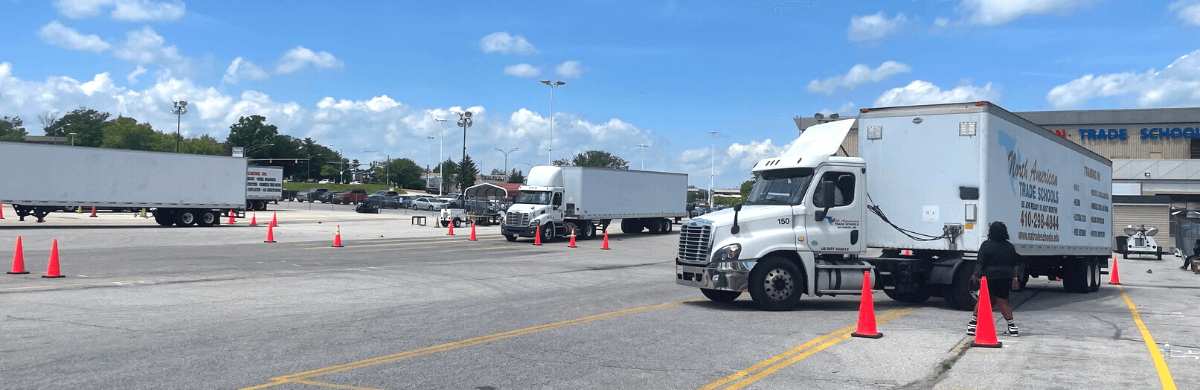
Start Your Search for CDL Training
If you are interested in operating commercial vehicles, CDL training can help you prepare for the knowledge and driving skills involved. Before choosing a truck driving school, identify the type of vehicle you want to drive and the license you need.
A useful starting point is to compare Class A and Class B programs. These license classes cover different vehicle categories, so the right course depends on your intended work. Ask the school to explain which vehicles its program prepares students to operate.
Understand Entry-Level Driver Training
Federal Entry-Level Driver Training, or ELDT, requirements apply to certain applicants, including those obtaining a Class A or Class B CDL for the first time.
Applicants subject to these requirements must complete the applicable training through a provider listed on the Federal Motor Carrier Safety Administration’s Training Provider Registry before taking the relevant skills test.
For applicable Class A and Class B applicants, training includes both theory and behind-the-wheel instruction. Completing an online theory course alone does not complete the entire licensing process. Check the requirements with your state’s driver licensing agency.
What Can a CDL Course Include?
Depending on the program, training may cover:
-
Vehicle inspections and basic controls.
-
Safe operating procedures.
-
Backing and maneuvering.
-
Road driving and hazard awareness.
-
Cargo-related safety topics.
-
Preparation for the applicable CDL skills test.
Ask how much time you will personally spend driving. Total course hours may include classroom instruction, observation and other activities, so they do not necessarily equal individual driving time.
Also ask about class size, instructor availability and the vehicles used during training.
Compare Training Schedules
Full-time training may suit learners who can attend regularly during the week. Part-time, evening or weekend options may be more practical for those balancing work and family responsibilities.
Before enrolling, confirm attendance requirements, expected completion time and how missed lessons are handled. Ask whether weather, equipment availability or test scheduling could affect the timetable.
Review the Full Cost
Request a written breakdown of the total cost, including:
-
Tuition and registration charges.
-
Learning materials.
-
Required examinations or screenings.
-
Permit and licensing fees.
-
Test vehicle use.
-
Additional lessons and retesting charges.
If financing or employer-sponsored training is offered, read the agreement carefully. Check repayment terms, employment commitments and what happens if you withdraw or leave the employer.
Funding availability depends on the program and your eligibility; do not assume every applicant qualifies.
Check Entry Requirements and Career Support
Before paying a deposit, confirm the school’s admission requirements and your eligibility for the licensing path you intend to pursue.
If a school advertises job placement support, ask what that includes. Employer introductions, application assistance and interview preparation are different from a guaranteed job offer.
Choose a Program That Matches Your Plans
Compare schools based on training content, individual driving practice, instructor support, scheduling and total cost. Verify the provider’s registration for the specific training you need.
A course completion record is a step in the process. Earning a CDL still requires meeting the applicable licensing requirements and passing the required tests.