Winter Eczema Flaring Up? A Simple 3-Step Bedtime Routine for Itchy Skin
Cold weather and indoor heating can leave eczema-prone skin feeling dry and uncomfortable. Explore three bedtime care steps that may help ease dryness and itching, plus signs that deserve medical attention.
Why Can Eczema Get Worse in Winter?
Cold, dry air and harsh winds can trigger eczema flare-ups. Indoor heating can also reduce moisture in the air, adding to skin dryness.
For people with eczema, winter may bring more itching, rough patches, or cracked skin. A consistent evening routine can support skin care, although active inflammation may also need prescribed treatment.
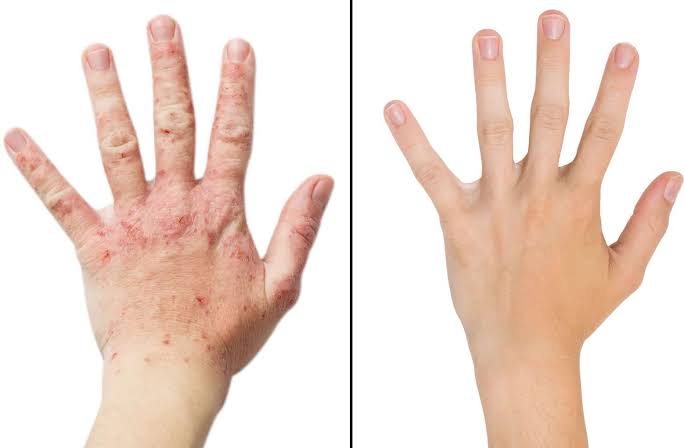
Step 1: Keep Evening Washing Short and Gentle
If bathing or showering before bed, use lukewarm water and limit the time to about 5–10 minutes. Hot water and prolonged washing can worsen dryness.
Choose a gentle, fragrance-free cleanser and avoid scrubbing irritated areas. Afterward, gently pat the skin partially dry rather than rubbing it with a towel.
The aim is to clean the skin without adding irritation—not to wash until it feels tight or completely dry.
Step 2: Moisturize While Skin Is Still Damp
Apply a fragrance-free cream or ointment promptly after bathing, while the skin remains slightly damp.
Thicker creams and ointments generally provide more protection against moisture loss than lightweight lotions. Reapply whenever skin feels dry, including after handwashing.
If prescribed an eczema medication, follow the clinician’s directions for where, when, and how to apply it alongside moisturizer. Moisturizing supports treatment but may not control a flare on its own.
Step 3: Reduce Heat and Irritation Before Sleep
Choose soft, breathable sleepwear and bedding. Cotton may feel more comfortable than rough fabrics against sensitive skin. Avoid heavy layers that cause overheating or sweating.
Keep the bedroom comfortably cool. If indoor air is very dry, a humidifier may help some people, but it is not essential for everyone. Follow the manufacturer’s cleaning instructions and avoid excessive dampness.
How to Choose an Eczema Moisturizer
When comparing products, focus on a few practical features:
-
Fragrance-free labeling: Added fragrance can irritate sensitive skin.
-
Cream or ointment texture: These are often more suitable for dry, eczema-prone skin than thin lotions.
-
Personal tolerability: A product should be comfortable enough to use consistently.
More expensive does not automatically mean more suitable. A dermatologist can help identify options if products repeatedly sting or worsen symptoms.
Common Habits That Can Make Bedtime Care Harder
Long, hot showers, fragranced products, rough clothing, and overheating can work against a gentle routine.
Scratching may also damage the skin and increase infection risk. If itching remains difficult to manage, ask a clinician about treatment rather than repeatedly adding new products.
When Skin Care Is Not Enough
Arrange a medical evaluation if the rash is new or uncertain, itching repeatedly disrupts sleep, or symptoms continue despite appropriate care. Not every winter rash is eczema.
Seek prompt medical advice for rapidly worsening symptoms, increasing pain, warmth, swelling, pus, or oozing. Painful clusters of blisters, particularly with fever or feeling unwell, need urgent assessment.
Building a Routine That Is Easy to Repeat
Keep the evening plan simple: gentle washing when needed, prompt moisturizing, and a comfortable sleep environment.
These steps may help reduce dryness and irritation, but results vary. Persistent eczema deserves an individualized treatment plan.