3 Lung Cancer Symptoms Worth Knowing—and When to Get Checked
A persistent cough, breathing changes, and chest discomfort can have many causes. Learn why these symptoms deserve attention, what to discuss with a doctor, and how lung cancer screening differs from diagnostic testing.
Understanding Possible Lung Cancer Signs
Lung cancer does not always cause noticeable symptoms early on. Many people develop symptoms only after the disease has advanced.
The three symptoms below are worth understanding, but they are not a diagnostic checklist. They can also occur with infections and other conditions. Having them does not mean someone has lung cancer, and having none of them does not rule it out.
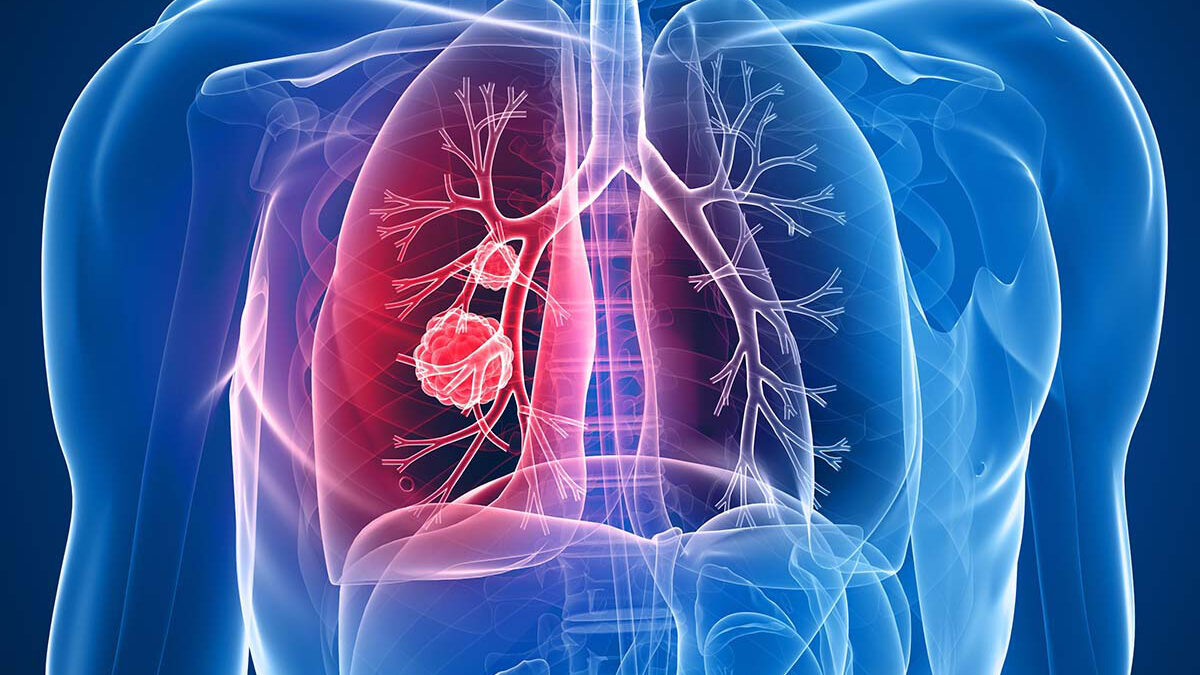
1. A Cough That Persists or Changes
A cough that does not go away, gets worse, or feels different from a usual cough deserves medical attention.
Useful details to share with a healthcare professional include when it started, whether it is worsening, and whether mucus or blood is present. A persistent cough should not automatically be dismissed as a smoker’s cough or a lingering cold.
2. New or Worsening Shortness of Breath
Breathing that becomes unexpectedly difficult during familiar activities may need evaluation. New wheezing can also be worth discussing.
These changes do not identify the cause by themselves. A clinician can assess whether an infection, a lung condition, a heart problem, or another issue may be involved.
3. Persistent Chest Discomfort
Chest pain or discomfort that persists, particularly with coughing or deep breathing, should be assessed rather than used to make a diagnosis at home.
Other changes worth reporting include unexplained weight loss, ongoing fatigue, hoarseness, and repeated chest infections.
What Can Be Observed at Home?
Keeping a brief symptom record can help prepare for an appointment:
-
When did the change begin?
-
Is it becoming more frequent or severe?
-
Does it affect sleep or ordinary activities?
-
Is there a history of smoking or relevant exposure?
-
Have other symptoms appeared?
There is no home symptom check that can confirm or exclude lung cancer. Do not wait to develop all three symptoms before seeking advice.
Coughing up blood needs prompt medical attention. Severe or sudden breathing difficulty or chest pain requires emergency care.
What Happens During a Medical Evaluation?
A doctor usually starts with a medical history and physical examination. Depending on the findings, imaging such as a chest X-ray or CT scan may be recommended.
An abnormal scan does not automatically mean cancer. Further tests may be needed, and diagnosis generally requires examining cells or tissue in a laboratory. The evaluation may involve a pulmonologist or another specialist.
Who Should Ask About Lung Cancer Screening?
Screening is intended for people without symptoms. It is different from investigating an existing cough, chest pain, or breathing problem.
The U.S. Preventive Services Task Force recommends annual low-dose CT screening for adults who meet all three criteria:
-
Ages 50–80.
-
At least a 20 pack-year smoking history.
-
Currently smoke or quit within the past 15 years.
A 20 pack-year history could mean one pack per day for 20 years. Screening has potential benefits and harms, so eligibility and suitability should be discussed with a clinician.
People with symptoms should seek evaluation regardless of whether they meet screening criteria.
Preparing for the Next Step
Bring a symptom timeline, medication list, and smoking or exposure history to the appointment. Ask which tests are appropriate, what any results mean, and when follow-up is needed.