Plumbing Courses for Older Adults in 2026
Plumbing training can offer older adults a practical route into skilled work, property maintenance, or a hands-on second career. In 2026, the main options include community college programs, trade school courses, registered apprenticeships, and shorter continuing education classes. The right choice depends on your goals, physical readiness, schedule, budget, and local licensing rules. This overview explains how the training paths differ, what students typically learn, and what to consider before enrolling.
For many mature learners, plumbing is more than a trade. It is a way to build stable, flexible work, support local customers, and gain skills that are always in demand. Unlike some career training programs, plumbing focuses on tangible problem-solving: fixing leaks, installing pipes, understanding water systems, and keeping properties safe.
Whether you want to work full-time, part-time, or simply maintain your own home and rental properties, there is a training path that can fit your background and lifestyle.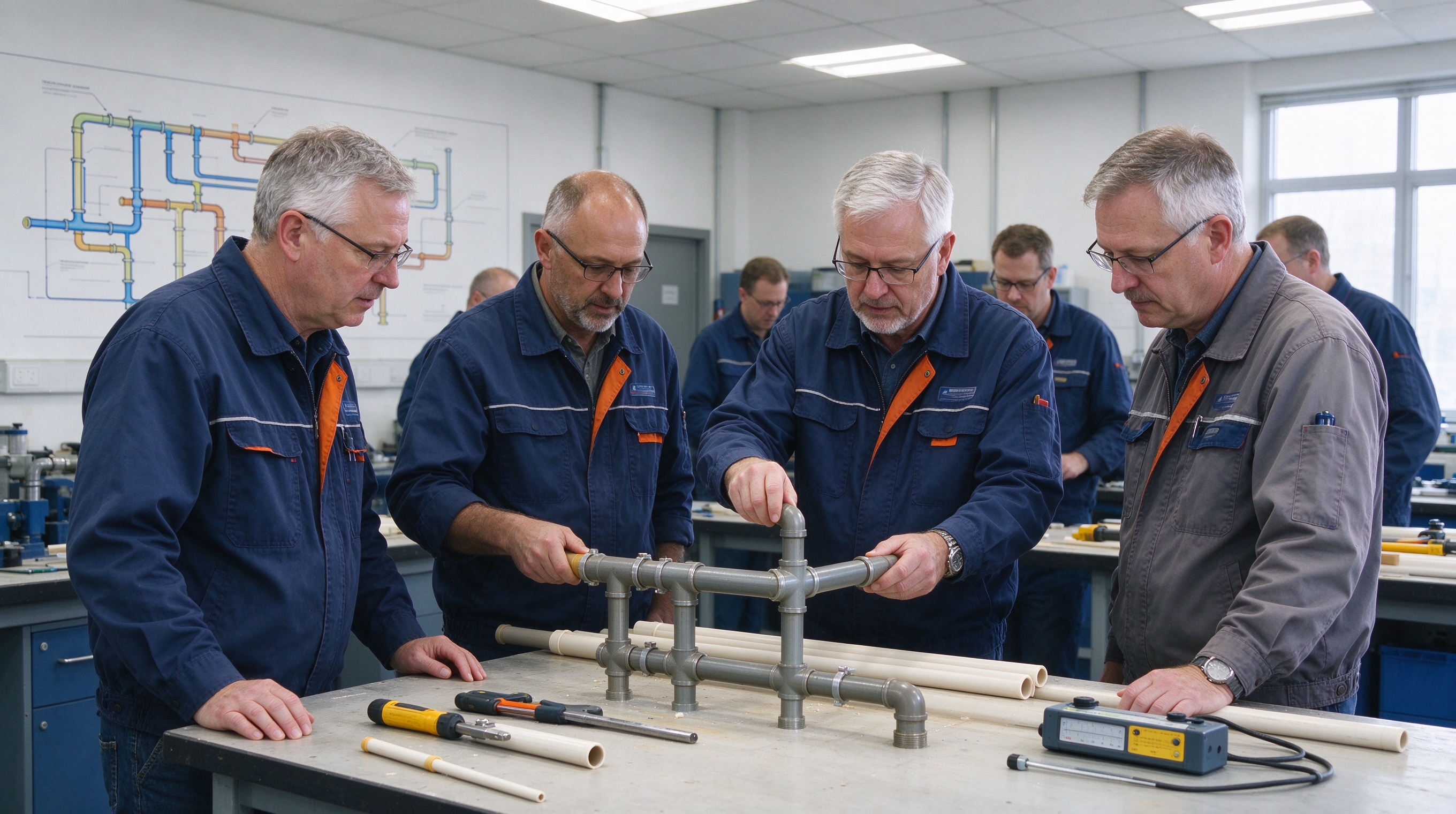
Why Plumbing Can Be a Strong Choice for Mature Learners
Older adults often do well in plumbing because the trade rewards patience, problem-solving, reliability, and customer communication — qualities that many mature learners already have from previous jobs, military service, or home maintenance experience.
Key benefits:
- Practical, hands-on learning rather than heavy classroom-only study
- Strong demand for skilled plumbers in many local areas
- Potential to work for an existing company or become self-employed
- Opportunities to specialise in domestic, commercial, or maintenance plumbing
- Shorter entry-level training compared to many professional degrees
- Skills that are useful for personal home maintenance as well as work
Plumbing is not for everyone, but if you enjoy working with your hands, solving real problems, and being on your feet, it can be a satisfying second career.
Main Types of Plumbing Training in 2026
1. Community College Programs
Community colleges are one of the most common entry points for older adults. They usually offer structured courses in plumbing basics, pipe systems, safety, blueprint reading, and plumbing codes.
Typical length: Several months to two years, depending on the program level. Best for: People who want a solid foundation and may later move into full apprenticeship or licensing work.
2. Trade School Courses
Trade schools focus more directly on job-specific skills. Programs are often intensive and designed to prepare you quickly for entry-level work or further training.
Typical length: Weeks to months. Best for: Mature learners who want faster progression and are comfortable with a practical, fast-paced environment.
3. Registered Apprenticeships
Apprenticeships combine classroom learning with paid on-the-job training under a licensed plumber. This is often the most respected route into the trade.
Typical length: Several years, including structured training hours. Best for: Adults who want to earn while they learn and aim for full licensing or long-term employment.
4. Short Continuing Education Classes
Short courses are ideal if you want practical skills without committing to a full qualification. They are often used for home maintenance, rental property upkeep, or supplementing existing trade skills.
Typical length: Days to a few weeks. Best for: Hobbyists, landlords, and part-time handypersons.
What You Will Typically Learn
Most plumbing courses start with fundamentals before moving into more complex work.
Core skills:
- Pipe cutting, bending, and joining
- Reading plumbing drawings and schematics
- Understanding water supply and drainage systems
- Basic fixture installation and repair
- Leak detection and maintenance
- Safety procedures and tool use
Common topics:
- Plumbing codes and regulations
- Gas safety awareness (where relevant)
- Bathroom and kitchen plumbing
- Septic and drainage systems
- Customer service and basic business skills
Many programs also include assessment tasks, practical tests, and sometimes work placement hours.
Physical Readiness: What to Consider
Plumbing involves physical work, so it is important to be honest about your health and mobility before enrolling.
Common physical demands:
- Standing and walking for long periods
- Bending, kneeling, crawling, and lifting
- Working in tight spaces, basements, or roof areas
- Carrying tools, pipe sections, and equipment
- Working outdoors in different weather conditions
This does not mean you need to be extremely strong. Many older adults succeed in plumbing by working smarter, using proper tools, pacing themselves, and specialising in lighter maintenance work.
💡 Tip: Discuss your fitness level with the training provider. Some programs offer modified tasks or part-time options for mature learners.
How to Choose the Right Course
Before you enrol, compare programs based on these factors: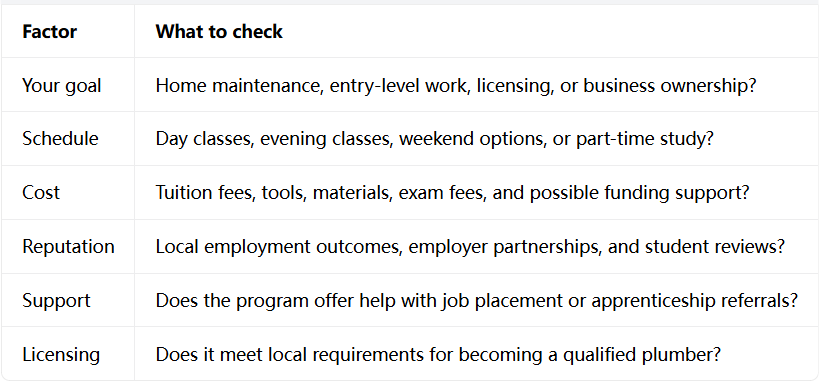
It is a good idea to speak directly with program advisors. They can help you understand whether a course is suitable for your background and goals.
Questions to Ask Before Enrolling
- What is the typical background of students in this program?
- How much of the course is practical versus classroom-based?
- Do you help students find apprenticeships or entry-level jobs?
- What tools and materials do I need to buy?
- Are there evening, weekend, or part-time options?
- Does this course count toward local licensing or certification?
- What support do you offer mature learners?
The answers to these questions will help you avoid picking a program that does not match your real needs.
Costs, Funding, and Return on Investment
Plumbing training costs vary depending on the program type and location. Short courses may be relatively affordable, while full qualifications and apprenticeships involve larger time and money commitments.
Possible costs:
- Tuition fees
- Toolkit and equipment
- Materials and consumables
- Assessment or certification fees
- Safety gear
Some older adults may be eligible for government training support, employer funding, or career development grants. Check with the college, trade school, or local employment office for current options.
From a career perspective, plumbing can offer strong returns if it leads to stable work, higher hourly rates, or self-employment opportunities.
Final Thoughts
Plumbing courses for older adults in 2026 can be a practical step toward a new career, better property management skills, or a more active hands-on lifestyle. The trade is open to mature learners, but success depends on choosing the right program, being physically honest about your abilities, and understanding local licensing requirements.
If you are patient, comfortable with practical work, and willing to learn, plumbing training could lead to stable, meaningful work for years to come. Take your time researching programs, talk to providers, and pick a path that fits your goals and lifestyle.