The 5 Stages of Breast Cancer: Symptoms and Dietary Recommendations
Breast cancer may cause no noticeable symptoms early on. Learn about breast changes that need evaluation, what different stages mean, and how nutrition can support health during treatment.
Breast Changes Worth Checking
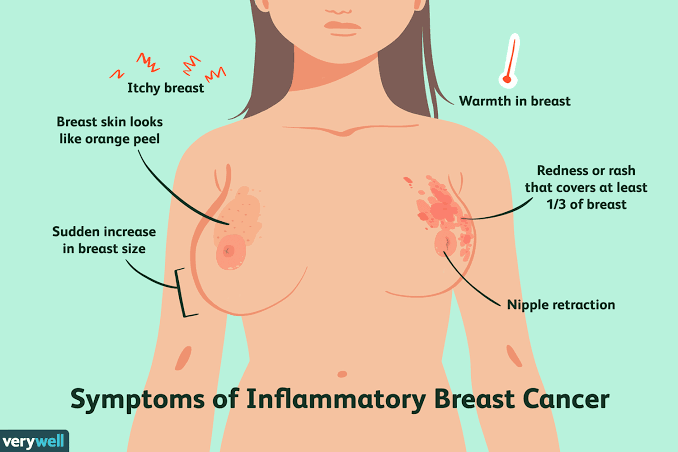
Breast cancer does not always begin with an obvious lump. Possible signs include:
-
A new lump in the breast or underarm.
-
A change in breast size or shape.
-
Skin dimpling, swelling, or thickening.
-
A nipple that newly turns inward.
-
Nipple discharge other than breast milk, especially if bloody.
Most breast changes are not cancer. However, a new or unusual change should be evaluated—even after a recent normal mammogram. Early breast cancer often has no symptoms, making screening important.
Understanding Breast Cancer Stages
Symptoms alone cannot identify the stage. Doctors use examinations, imaging, biopsy results, and tumor characteristics to determine how extensive the cancer is. People do not necessarily experience each stage in sequence.
Stage 0: Noninvasive Disease
Stage 0 usually refers to ductal carcinoma in situ, or DCIS. Abnormal cells remain inside the milk ducts without invading surrounding breast tissue. There may be no noticeable symptoms.
Stage I: Early Invasive Disease
Cancer is generally limited in extent, sometimes with small amounts of nearby lymph node involvement. A lump may be present, but symptoms can also be absent.
Stage II: Greater Local or Regional Involvement
Cancer may involve a larger tumor, nearby lymph nodes, or both. Possible breast changes overlap with those seen at other stages; symptoms cannot reliably distinguish stage II.
Stage III: Locally Advanced Disease
Cancer has more extensive involvement of nearby lymph nodes and/or the breast skin or chest wall. Some people develop swelling or visible skin changes, but these do not establish the stage by themselves.
Stage IV: Metastatic Disease
Cancer has spread to distant parts of the body. Symptoms depend on the affected area and may include persistent bone pain, breathing problems, or other changes. These symptoms also have noncancerous causes and require medical evaluation.
What Can People With Breast Cancer Eat?
No food, fruit, or diet has been proven to cure breast cancer. Nutrition supports strength, recovery, and the ability to tolerate treatment; it does not replace cancer care.
When eating is comfortable, a varied diet can include:
-
Vegetables and fruit: Berries, apples, carrots, broccoli, and other preferred choices.
-
Protein foods: Fully cooked fish, poultry, eggs, beans, tofu, or pasteurized dairy.
-
Whole grains: Oatmeal, brown rice, or whole-grain bread.
-
Sources of unsaturated fat: Olive oil, avocado, and nuts.
These are meal-building options, not foods proven to shrink tumors.
Adjust Food Choices During Treatment
Treatment can cause nausea, mouth sores, taste changes, or reduced appetite. During these periods, getting enough calories, protein, and fluids may matter more than following a strict eating pattern.
Smaller, more frequent meals or softer foods may be easier to tolerate. Ask the cancer care team or an oncology dietitian for individualized guidance, especially with unintended weight loss or difficulty eating.
Check with the care team before using supplements, herbal products, fasting plans, or restrictive diets. Follow food-safety advice when treatment weakens the immune system.
When to Contact a Healthcare Professional
Arrange an appointment for a new breast lump, nipple change, unusual discharge, or persistent skin change. Do not wait for pain to develop.
If already receiving treatment, promptly report new or worsening symptoms to the cancer care team.