Psoriasis Symptoms Over Time: Understanding Flares, Remission, and Food Choices
Psoriasis symptoms can change over time, from scaly patches to periods of clearer skin. Learn how symptoms may develop, what happens during a flare, and how balanced food choices can support overall health.
Understanding Psoriasis
Psoriasis is a chronic, immune-mediated condition that causes skin cells to build up too quickly. This can lead to raised, scaly patches, itching, and discomfort.
Psoriasis does not follow a fixed sequence of stages. Symptoms may appear, worsen, improve, and return. The sections below describe common changes over time, mainly in plaque psoriasis, the most common type. They are not a guide for diagnosing or staging the condition.
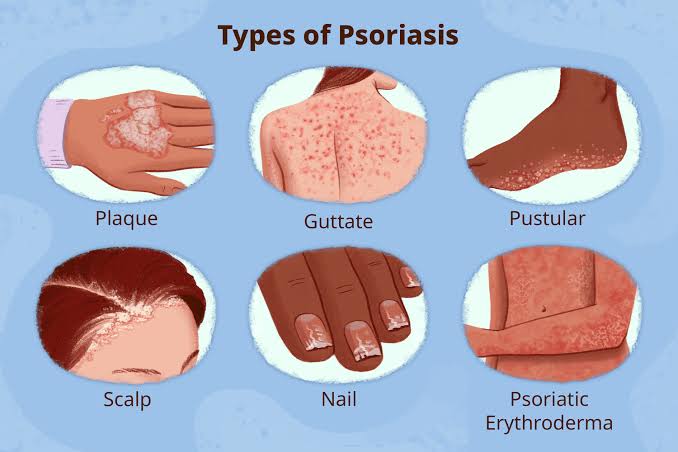
1. When Symptoms First Appear
Plaque psoriasis may first be noticed as patches of dry, raised skin with scaling. Common locations include the scalp, elbows, knees, and lower back. Itching or soreness may also occur.
Appearance varies with skin tone. Patches may look pink or red on lighter skin, and purple or dark brown on darker skin. Scales may appear silvery or gray.
These symptoms can resemble other skin conditions, so a dermatologist’s evaluation is important.
2. During a Flare
A flare is a period when psoriasis becomes more active. Existing patches may become thicker, itchier, or more uncomfortable, and new patches may develop. Dry skin can crack and sometimes bleed.
Stress, infections, skin injuries, and certain medications can trigger flares in some people. Triggers differ, and a flare does not always have an obvious cause. Do not stop a prescribed medication without speaking with a healthcare professional.
3. When Symptoms Improve or Enter Remission
With effective management, patches may flatten, scaling may decrease, and itching may ease. Some people experience remission, when symptoms become minimal or disappear for a time.
Remission does not mean psoriasis is cured. Symptoms can return. Lighter or darker marks may remain after patches clear, especially on darker skin tones.
Continue following the treatment plan provided by a healthcare professional, including during periods of clearer skin.
Food Choices That May Support Psoriasis Management
There is no single diet that cures psoriasis. Dietary changes can complement medical care, but they should not replace treatment.
A Mediterranean-style eating pattern is a reasonable option to discuss with a healthcare professional. Research suggests it may help some people with psoriasis, although results vary. It emphasizes vegetables, fruit, whole grains, beans, nuts, olive oil, and fish.
Practical meal ideas include:
-
Breakfast: Oatmeal with berries and a small handful of walnuts.
-
Lunch: A chickpea and vegetable bowl with brown rice and olive oil dressing.
-
Dinner: Baked salmon, quinoa, and roasted broccoli.
-
Snack: Fresh fruit or unsalted nuts.
These are balanced meal examples, not foods proven to clear psoriasis. Adjust choices for allergies and other health needs.
Avoid Unnecessary Food Restrictions
A gluten-free diet is not routinely necessary for everyone with psoriasis. It may help selected people with confirmed gluten-related conditions; discuss testing before eliminating gluten.
There is also no universal list of foods that everyone with psoriasis must avoid. Speak with a clinician or registered dietitian before starting a restrictive diet.
When to Seek Medical Care
Arrange a medical evaluation for persistent scaly patches or symptoms that affect sleep and daily activities. Report new joint pain, swelling, or stiffness promptly because psoriasis can be associated with psoriatic arthritis.
Seek urgent medical care for widespread skin redness or pus-filled bumps accompanied by fever, chills, or feeling very unwell.