6 Things To Do Before Selling Your House
Before you put up the "For Sale" sign, a little preparation can quietly decide how fast your home sells — and for how much. From boosting curb appeal to choosing the right agent, these essential steps maximize your home's appeal and market value.
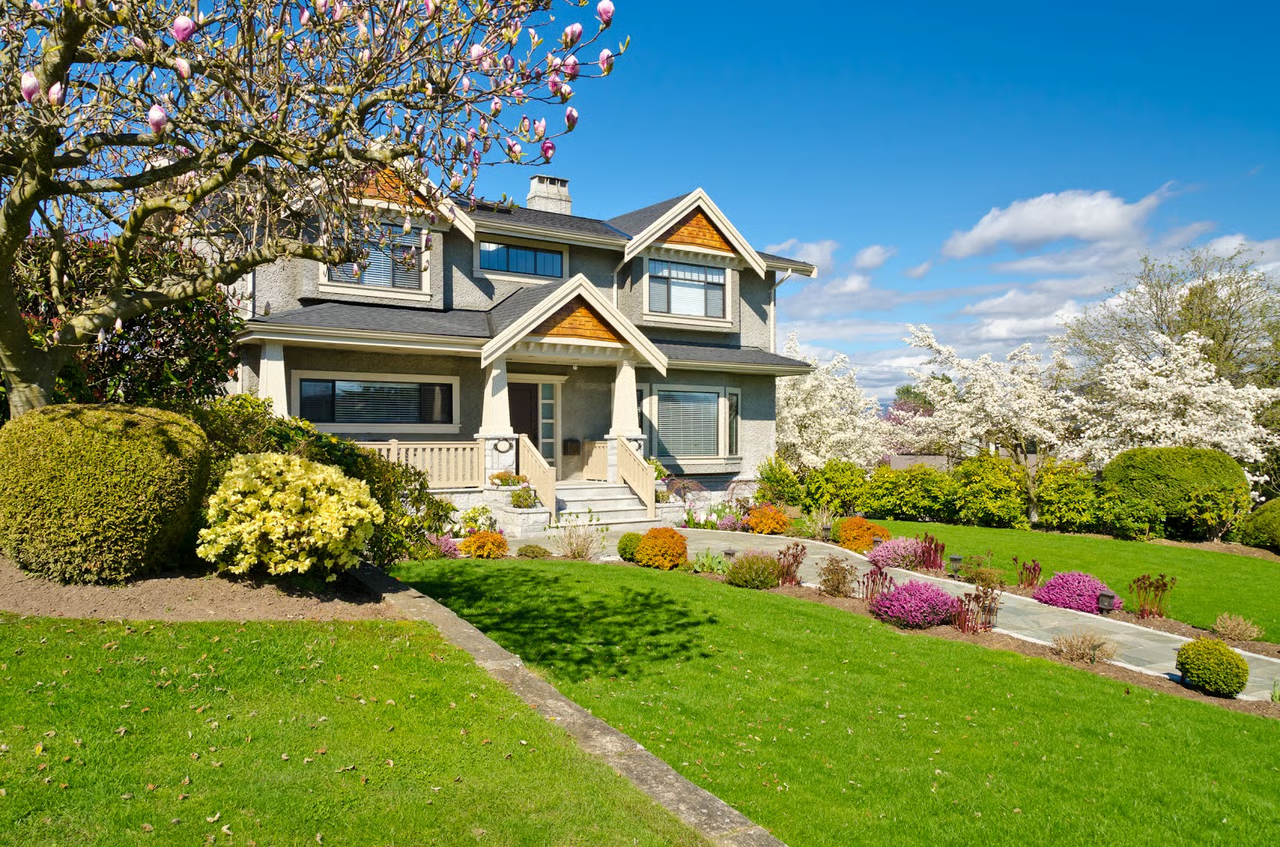
01 · Boost Your Curb Appeal
Most buyers make their first judgment about your home from the street — sometimes in the first ten seconds. A clean, welcoming exterior sets an emotional tone that carries through the entire tour. Curb appeal isn't just vanity; it signals that the home has been cared for, and it pulls people in before they ever open the front door.
- Mow and edge the lawn, and trim overgrown shrubs and hedges.
- Plant fresh flowers or add planters near the entry for a pop of color.
- Power-wash the walkway, driveway and siding to remove grime.
- Clean or repaint the front door and update hardware and house numbers.
- Upgrade outdoor lighting and clear clutter from the porch and garage area.
Seller tip. The front door and the first 20 feet of landscaping deliver the biggest visual return — focus your effort there before spending on anything else outdoors.
02 · Declutter, Deep Clean and Stage
Buyers need to picture themselves living in your home, not living in your stuff. Decluttering and staging neutralize the space so the focus stays on the house itself. A tidy, organized interior also whispers "this home is well maintained," which buyers translate into peace of mind.
- Remove excess furniture, personal photos and knick-knacks that shrink rooms.
- Organize closets, cabinets and pantries — they prove the home has storage.
- Deep clean floors, windows, the kitchen and every bathroom.
- Neutralize odors and freshen the air before each showing.
- Stage the living room, master bedroom and kitchen for a neutral, inviting feel.
Seller tip. Empty closets read as spacious closets. A few hours of organizing here pays off in how "ready to move in" the whole house feels.
03 · Make the Repairs That Matter Most
You don't need to renovate the whole house — you need to fix the things buyers and inspectors will actually notice. Tackling small, visible issues upfront keeps them from becoming negotiating chips later, and it signals that the home is sound.
- Fix leaky faucets, running toilets and slow drains.
- Patch and repaint scuffed walls, and repair cracked or stained flooring.
- Replace broken window screens, fixtures and cabinet hardware.
- Address visible roof, gutter or siding wear before inspection.
- Resolve any mold, water damage or HVAC issues that would raise red flags.
Seller tip. Spend on visible, high-traffic areas first, and avoid over-improving beyond what comparable homes in your neighborhood offer — that money rarely comes back at closing.
04 · Get Your Documents and Disclosures Ready
Buyers, lenders and title companies all need paperwork before a sale can close. Having your documents organized from the start keeps the process smooth and signals to buyers that you're a serious, prepared seller. Missing or unclear records are one of the most common reasons closings get delayed.
- Gather your deed, title and any survey or property records.
- Collect records of recent repairs, renovations and permits.
- Prepare seller disclosures for known issues, water, pests or structural concerns.
- Locate warranties for appliances, the roof and the HVAC system.
- Confirm HOA rules, restrictions and any transfer fees with your agent.
Seller tip. Transparent disclosures reduce the risk of disputes after closing. Have everything organized early so the closing process stays smooth and on schedule.
05 · Price It Right From Day One
The first two weeks on the market shape how buyers read your home. Price it too high and the listing goes stale, forcing cuts later; price it too low and you may leave money on the table. A realistic, data-backed price attracts the most serious buyers — and often sparks a competitive situation.
- Get a comparative market analysis (CMA) or professional valuation.
- Compare recently sold homes of similar size, age and condition nearby.
- Adjust for your home's upgrades, updates and condition.
- Decide your walk-away number before showings begin.
- Review the pricing strategy with your agent before you list.
Seller tip. A slightly competitive price can generate multiple offers in the first weeks — which often nets more than asking a high price and cutting it later.
06 · Choose the Right Listing Agent
Your agent is your advocate through pricing, marketing, showings and negotiation. The right agent knows your local market and how to position your home against the competition. The wrong one can cost you weeks on market and thousands at the table.
- Interview at least two or three agents before deciding.
- Compare marketing plans and their strategy for your home type.
- Check recent sales and list-to-sale ratios in your area.
- Verify credentials, experience and local knowledge.
- Review commission, contract terms and how they handle showings and offers.
Seller tip. Choose an agent with local data and a plan — not just a friendly pitch. A strong agent often pays for themselves in the final sale price.
The six-step recap
- Make the exterior inviting — curb appeal sets the tone.
- Declutter, deep clean and stage so buyers can see themselves at home.
- Repair the things buyers and inspectors will actually notice.
- Get your documents and disclosures ready so the closing runs smoothly.
- Price realistically from day one to attract serious offers.
- Choose an agent who knows your market and has a real plan.
Frequently Asked Questions
Q1. How much does it cost to prepare a home for sale? Varies by condition — most sellers spend a few hundred to a few thousand dollars on curb appeal, cleaning and staging.
Q2. What is the most important thing to do before selling a house? Price it right from day one. A realistic price attracts serious buyers; curb appeal and staging come next.
Q3. Should I make repairs before selling? Yes — fix what an inspection would flag, like leaks, damaged flooring or roof wear. Skip over-improvements.
Q4. How far in advance should I prepare my home for sale? Start four to eight weeks before listing — enough time for repairs, cleaning and staging.
Ready to get your home market-ready? Download the pre-sale checklist and get a local market estimate to price your home with confidence.