Online Veterinary School: A Modern Approach to Animal Care Education
Embarking on a veterinary career is now more accessible than ever with the rise of online vet schools, offering students a flexible and innovative path to achieving their dreams.
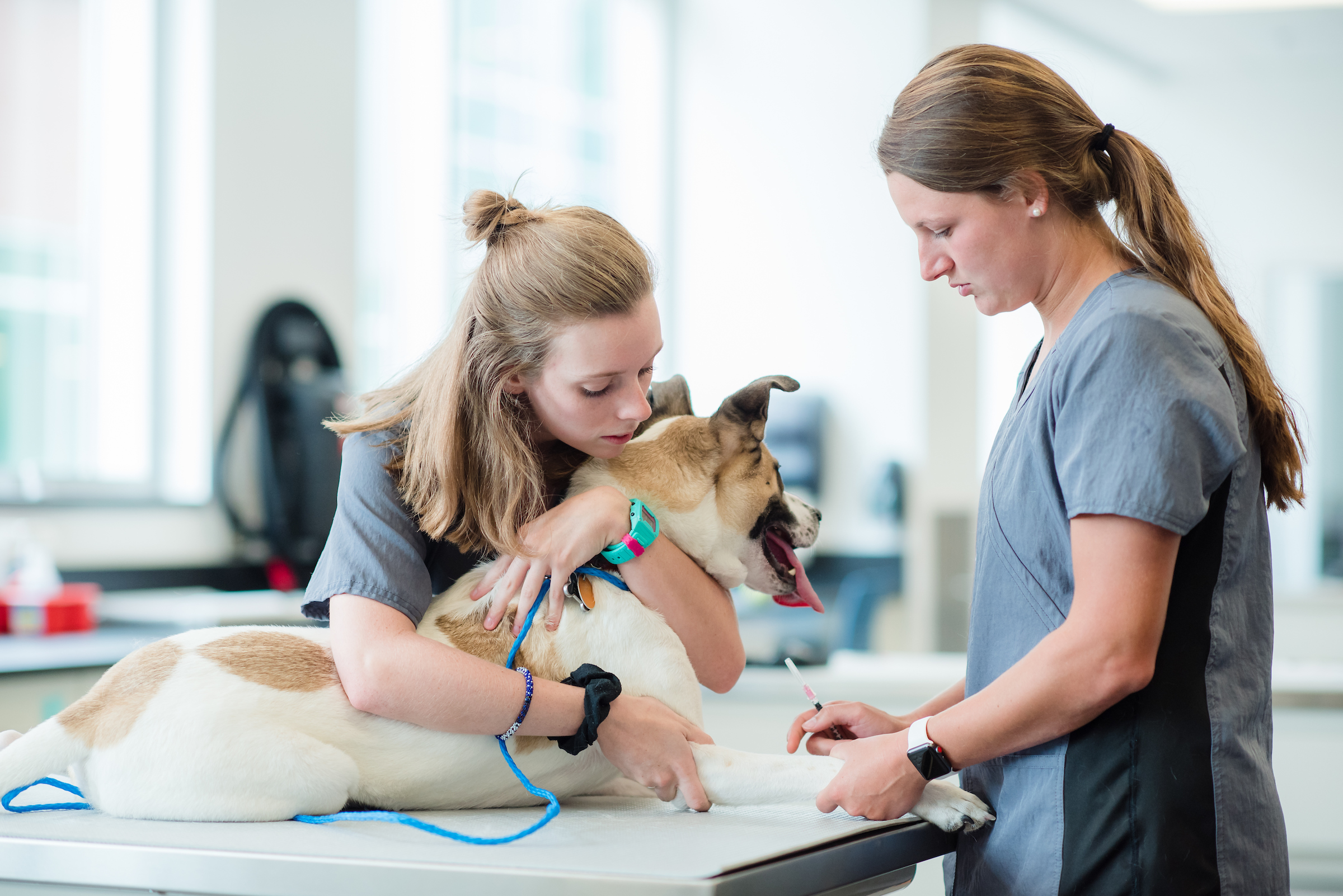
In today’s increasingly connected world, online veterinary education has emerged as a powerful alternative to traditional, on-campus programs. Offering a blend of flexibility, comprehensive coursework, and access to expert faculty, these programs are opening doors for a new generation of aspiring veterinary professionals. Here’s a closer look at the key advantages of online veterinary programs—supported by real-world examples and insights.
Flexible Learning Schedules
One of the most compelling features of online veterinary programs is their flexibility. These programs are designed to accommodate learners from all walks of life, particularly those balancing work, family, or other responsibilities. Students have the freedom to study at their own pace, allowing them to build personalized schedules that suit their unique circumstances.
For example, the University of Illinois’s Master of Veterinary Science (MVS) online program specifically targets working professionals, offering asynchronous coursework that students can complete on evenings or weekends. Similarly, Purdue University’s Veterinary Nursing Distance Learning (VNDL) program provides a 100% online pathway, letting students take several years to complete their degree while maintaining full-time jobs or caregiving roles.
This flexibility promotes deeper engagement with the material. Learners can spend extra time mastering complex topics and move quickly through familiar subjects. The result is a more customized and effective learning experience that boosts both confidence and comprehension.
A Comprehensive and Rigorous Curriculum
Online veterinary schools maintain high academic standards and offer curricula comparable to traditional programs. Courses typically span a wide array of topics—from animal anatomy, physiology, and pharmacology to surgical techniques and diagnostic procedures.
Programs like Purdue’s VNDL and Penn Foster College include extensive didactic coursework alongside structured clinical mentorships. Dallas College’s Distance Education Veterinary Technology Program (DEVTP) enhances the learning experience with multimedia modules, virtual labs, and practical assignments supervised by credentialed veterinary professionals.
This dual approach—blending theory with hands-on practice—ensures that students gain a thorough, real-world understanding of veterinary science. Whether completing a simulated lab online or participating in supervised clinical work at a local veterinary clinic, students are equipped with the skills and experience needed for success in the field.
Cost-Effective Education
Cost is a significant factor for many prospective students, and online veterinary programs often present a more affordable alternative to traditional education. Without the need for commuting, campus housing, or in-person facility fees, students can significantly reduce their overall expenses.
Programs like Penn Foster and Ashworth College offer tuition rates as low as $4,000, with flexible payment plans and financial aid options to ease the burden further. Even universities like Purdue, while comparable in tuition costs to in-person programs, emphasize long-term savings due to the flexibility to work while studying and reduced living expenses.
By removing many of the financial barriers associated with traditional education, these programs broaden access to veterinary careers and allow students to focus on learning rather than stressing over finances.
Access to Expert Faculty and Mentorship
Contrary to the perception that online students lack faculty engagement, many online veterinary programs offer direct and frequent access to experienced instructors. These professionals bring decades of real-world expertise to the virtual classroom and are often more accessible via email, video conferencing, and discussion boards than in traditional settings.
For instance, the University of Illinois MVS program boasts faculty with over 25 years of experience, incorporating real veterinary case studies into coursework. Ashworth College also features faculty who are seasoned professionals in the field, supporting students through personalized mentorship and academic advising.
This direct interaction fosters a strong support network and enriches the educational journey, helping students navigate complex material and develop the clinical reasoning skills essential for a veterinary career.
Meaningful Networking Opportunities
While online education may seem isolating, many veterinary programs actively build virtual communities where students can connect, collaborate, and grow professionally. Through peer discussion forums, live virtual events, and alumni panels, students gain access to a network that often extends well beyond graduation.
Programs such as Purdue’s VNDL and Dallas College’s DEVTP organize virtual info sessions, webinars, and even online workshops led by industry experts. These platforms provide valuable opportunities for students to engage with peers, build relationships with faculty, and explore diverse career paths.
Participation in these events helps students stay informed about industry trends, discover job openings, and form lasting professional relationships—all from the comfort of their own homes.
Conclusion
Online veterinary programs are reshaping the landscape of veterinary education by offering a flexible, affordable, and high-quality path for aspiring professionals. From customizable learning schedules and robust curricula to expert instruction and valuable networking, these programs empower students to achieve their goals without sacrificing their personal or professional responsibilities.
As the demand for veterinary services grows, so too does the need for innovative educational solutions. Online programs are meeting that challenge head-on—making veterinary education more accessible, inclusive, and dynamic than ever before.