Dishwasher Work: Typical Duties, Where to Look, and What to Consider
Learn what dishwashers commonly do, where these roles may be advertised in the United States, what employers often look for, and what to check before applying or accepting a position.
Dishwasher Work: Typical Duties, Where to Look, and What to Consider
Dishwasher positions support the daily operation of commercial kitchens. This guide explains common responsibilities, possible workplaces, application preparation, and details worth checking before accepting a role.
What a dishwasher typically does
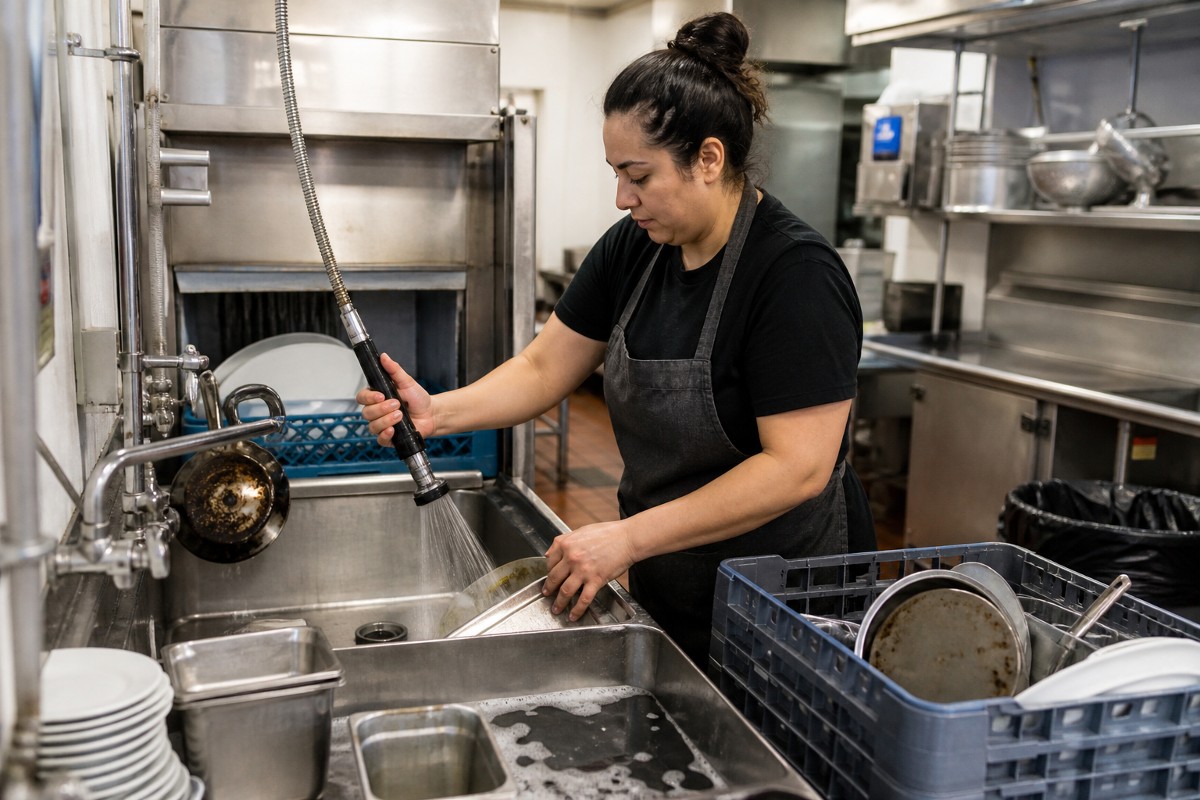
Dishwashers help keep a commercial kitchen supplied with clean plates, glasses, utensils, cookware, and food-preparation equipment. Daily tasks can include scraping and sorting dishes, loading and unloading commercial machines, washing some items by hand, and returning clean items to storage areas.
Depending on the workplace, a dishwasher may also empty trash, clean floors and workstations, organize supplies, or provide basic kitchen support. The exact duties should be described in the job posting or discussed with the employer.
Work environment and common expectations
Dishwashing is usually active, physical work performed in a warm, humid, and fast-moving kitchen. A worker may stand for much of a shift, repeatedly lift racks or cookware, and move between washing and storage areas.
Employers may value reliability, punctuality, teamwork, organization, and attention to sanitation. Workers should follow workplace instructions for commercial machines, sharp utensils, hot cookware, wet floors, and cleaning products.
Where dishwasher roles may be advertised
Restaurants are common employers, but dishwasher roles may also be available at hotels, cafeterias, hospitals, senior living communities, schools, catering operations, resorts, and event venues.
Openings may be advertised on general employment websites, hospitality job boards, employer career pages, community workforce resources, or signs at local businesses. Because listings can change quickly, verify that an opening is current and apply through a legitimate employer-approved process.
How to prepare an application
A short resume can emphasize dependable attendance, food-service or cleaning experience, teamwork, and the ability to work in an organized way during busy periods. Applicants without direct dishwasher experience can include transferable skills such as following safety procedures, managing supplies, completing physical tasks, or working scheduled shifts.
Review the stated schedule and requirements before applying. Provide accurate information about experience and availability, and follow the employer's application instructions.
What to check before accepting a role
Ask about compensation, expected weekly hours, shift times, breaks, overtime procedures, required clothing, training, and the precise duties involved. If a workplace uses tip-sharing, ask how that arrangement works and whether dishwashers participate.
Confirm how the kitchen manages wet floors, hot equipment, sharp objects, and cleaning chemicals. Ask whether gloves, aprons, slip-resistant footwear, or other protective items are required and who supplies them.
Do not pay an employer or recruiter for access to a job. Be cautious if someone requests sensitive personal or financial information before the business and hiring process have been verified.
Choosing a suitable dishwasher position
Compare opportunities based on commute, schedule, compensation, workload, training, safety practices, and opportunities to learn additional kitchen duties. Responsibilities and working conditions differ, so confirm important terms directly with the employer before making a decision.