A Practical Guide to Vitamins for Active Adults
Exercise often leads people to pay closer attention to nutrition, recovery, and daily supplement routines. However, an active lifestyle does not automatically require high-dose vitamins or a long list of sports supplements. Learning how to compare ingredients, certifications, serving sizes, and professional nutrition services can help active adults make decisions that support their broader eating and training habits.
From recreational runners to regular gym members, active adults frequently encounter products marketed for performance, energy, and recovery. The choices range from basic multivitamins to specialized powders, individual nutrients, electrolyte products, and personalized supplement packs. Before choosing, it is important to separate essential nutrition from promotional claims and consider what the regular diet already provides.
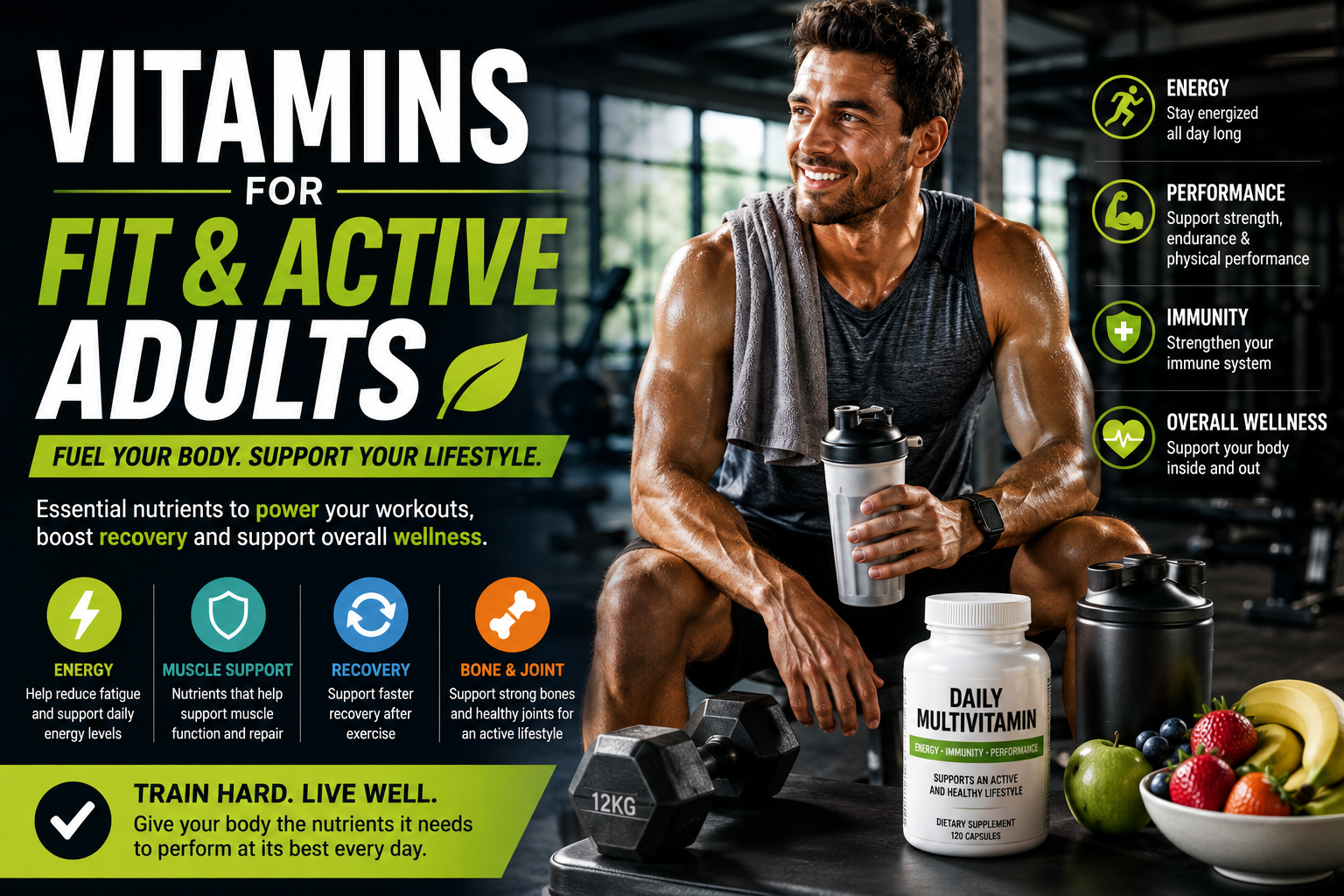
What Vitamin Products for Active Adults Usually Include
Products marketed to active adults commonly include B vitamins, vitamin C, vitamin D, vitamin E, zinc, magnesium, and other minerals. Some formulas also contain amino acids, herbal extracts, caffeine, or electrolyte ingredients.
These added ingredients make it important to distinguish a basic vitamin from a broader sports nutrition product. A formula containing stimulants or proprietary blends may affect the body differently from a standard daily multivitamin.
Exercise does not mean every nutrient is needed in a higher dose. Requirements vary according to diet, training frequency, age, health history, and other factors. A longer ingredient list does not necessarily make a supplement more suitable.
Common Supplement Categories Used Around Training
A daily multivitamin is designed to provide a range of nutrients in one serving. Single-nutrient products focus on ingredients such as vitamin D, B12, iron, calcium, or magnesium. Sports nutrition products may include protein, creatine, electrolytes, carbohydrates, or combinations marketed for use before or after exercise.
These categories serve different purposes and should not be treated as interchangeable. Protein and carbohydrates are nutrients that support normal dietary needs, while vitamins do not directly provide calories or act as a substitute for food.
Before combining products, compare their labels carefully. A multivitamin, electrolyte mix, protein powder, and fortified energy product may contain overlapping vitamins and minerals.
Why Active Adults Review Their Vitamin Intake
Regular exercise often encourages people to improve meal planning and pay attention to recovery. Someone training early in the morning, following a restricted eating plan, or traveling for competitions may have a different routine from someone exercising a few times per week.
The first question should not be “Which vitamin improves performance?” but “Does the current eating pattern regularly cover nutritional needs?” Whole foods provide energy, protein, fiber, and many compounds that cannot be replaced by a capsule.
Supplements should support an appropriate nutrition plan rather than compensate for inadequate food intake, dehydration, excessive training, or insufficient recovery time.
What to Check Before Buying Sports-Related Supplements
Review the complete Supplement Facts panel, serving size, dose, and list of additional ingredients. Be cautious with proprietary blends that do not disclose the amount of each component. Claims such as “instant recovery,” “maximum energy,” or “rapid transformation” should not replace clear ingredient information.
Independent certification is especially relevant to competitive athletes. Programs such as NSF Certified for Sport or Informed Sport test products for selected contaminants and substances prohibited in sports. Certification does not guarantee performance results, but it can provide additional manufacturing information.
Compare the price per serving, return policy, subscription terms, and how frequently the product needs to be reordered. Also check whether the product contains caffeine or ingredients already used in a pre-workout formula.
When a Nutrition Professional Can Help
A registered dietitian, particularly one experienced in sports nutrition, can review training demands, food intake, supplement use, and personal goals. This may help identify whether changes to meals are more useful than adding another product.
Medical guidance is important for anyone with a diagnosed condition, unexplained fatigue, recurring injuries, digestive problems, or prescription medication use. Iron and other individual nutrients should not be taken in high doses based only on a training goal or social media recommendation.
Competitive athletes should also review the rules of their governing organization and understand that they remain responsible for substances found in the products they use.
For active adults, the most useful vitamin decision begins with the overall diet and training routine. Ingredient transparency, realistic claims, independent testing, and appropriate professional advice matter more than the number of products in a gym bag. A supplement may be convenient, but consistent meals, hydration, recovery, and sustainable training remain the foundation of an active lifestyle.