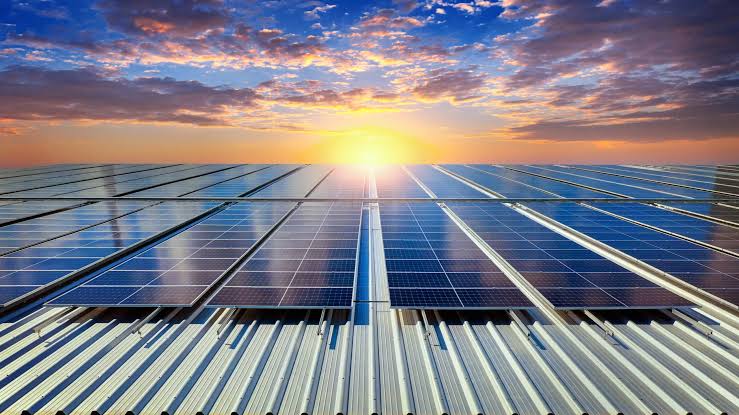
☀️ Solar Panels Guide — How to Choose the Right Solar Energy System for Your Home
Solar panels have become an increasingly popular option for homeowners who want to generate electricity from renewable energy. A residential solar system can help reduce dependence on traditional electricity sources, but choosing the right system requires more than simply comparing panel prices. Roof condition, sunlight exposure, electricity usage, system size, battery storage, installation requirements, and financing options can all affect the overall value of a solar energy system. The U.S. Department of Energy recommends evaluating the home, roof, local electricity rates, and available financing before moving forward.
💡 How Do Solar Panels Work?
Solar panels use photovoltaic technology to convert sunlight into electricity.
When sunlight reaches photovoltaic cells, the cells generate direct-current electricity. An inverter then converts this electricity into alternating current that can be used by household appliances.
A complete residential solar system may include:
- Solar panels
- Inverter
- Mounting equipment
- Electrical wiring
- Monitoring equipment
- Optional battery storage
The panels themselves are only one part of the overall solar energy system.
🏠 Is Your Home Suitable for Solar Panels?
Not every roof is equally suitable for solar installation.
Several factors should be considered:
Roof Condition
If the roof is old or needs major repairs, homeowners may want to evaluate the roof before installing a solar system.
Installing panels on a roof that will soon require replacement can create additional planning and installation considerations.
Sunlight Exposure
Shade from trees, nearby buildings, chimneys, or other structures can reduce solar energy production.
Roof orientation and slope can also affect the amount of electricity generated by a system.
Electricity Usage
Household electricity consumption is another important factor.
Reviewing previous electricity bills can help estimate the appropriate system size and expected energy needs.
🔋 Should You Add Solar Battery Storage?
Solar panels generate electricity when sunlight is available, while household electricity demand can continue after sunset.
A battery storage system can store some of the electricity generated during the day for later use.
Solar-plus-storage may be worth considering when homeowners want:
- Greater energy independence
- Backup power during outages
- Better use of solar-generated electricity
- More control over household energy consumption
However, batteries add equipment and cost, so the potential benefits should be compared with the additional investment.
💰 How Much Do Solar Panels Cost?
Solar installation costs vary considerably depending on system size, location, equipment, roof characteristics, labor, and other installation requirements.
The cost of a solar system should therefore be evaluated as a complete project rather than by looking only at the price of individual panels.
Important cost factors include:
- Solar panel type
- System capacity
- Inverter
- Battery storage
- Installation labor
- Permits and inspections
- Roof preparation
- Financing costs
Current market estimates show that residential solar projects can involve substantial upfront costs, although electricity savings and local incentives may affect the long-term economics.
📊 Solar Purchase vs. Financing vs. Lease
Homeowners may encounter several ways to pay for a solar system.
Buying the System
Purchasing a system means the homeowner owns the solar equipment.
Potential advantages include:
- Direct ownership
- No long-term lease payment
- Potential long-term electricity savings
However, the initial investment can be significant.
Solar Loan
A solar loan allows homeowners to finance the purchase rather than paying the entire cost upfront.
When comparing financing options, consider:
- Interest rate
- Loan term
- Monthly payment
- Total repayment amount
- Ownership of the system
Solar Lease or PPA
Under a lease or power purchase agreement, a third party may own the solar system.
The contract terms can vary, so homeowners should carefully review payment structures, contract length, maintenance responsibilities, and what happens if the property is sold.
The U.S. Department of Energy specifically recommends understanding financing and contractual terms before signing a solar agreement.
📈 Can Solar Panels Reduce Electricity Costs?
Solar panels can reduce the amount of electricity a household needs to purchase from the utility, but actual savings vary.
Factors include:
- Household electricity consumption
- Solar system size
- Roof orientation
- Local sunlight conditions
- Electricity rates
- Utility compensation for exported electricity
- System financing costs
Therefore, projected savings should be evaluated based on the homeowner's specific location and energy usage rather than relying on a general estimate.
🧾 What About Solar Incentives?
Solar incentives can vary by federal, state, and local programs.
Possible incentives may include:
- Tax-related incentives
- State programs
- Local rebates
- Utility programs
- Performance-based incentives
Because policies can change, homeowners should verify current eligibility and requirements with official government or utility sources before making financial decisions.
In 2026, residential solar incentives have changed compared with previous years, making it especially important to check current rules rather than relying on older articles or advertisements.
🔧 Choosing a Solar Installer
The installer can be just as important as the equipment.
When comparing solar installation companies, consider:
- Relevant certifications
- Licensing and insurance
- Installation experience
- Warranty terms
- Equipment manufacturers
- Maintenance services
- Customer reviews
- Contract conditions
The Department of Energy recommends working with qualified professionals and being cautious about high-pressure sales tactics or unclear contract terms.
🔍 Questions to Ask Before Installing Solar Panels
Before signing a contract, consider asking:
- How large does the system need to be?
- How much electricity is expected to be generated?
- What equipment is included?
- Is battery storage included?
- What warranties are provided?
- Who handles maintenance?
- What financing options are available?
- What happens if the property is sold?
- Are there additional installation costs?
- What permits and inspections are required?
Getting clear answers to these questions can make it easier to compare different solar proposals.
❓ Frequently Asked Questions
Are solar panels suitable for every home?
No. Roof condition, shading, orientation, electricity consumption, and local regulations can all affect whether solar is suitable.
How long do solar panels last?
Residential solar panels are generally designed for long-term operation. The U.S. Department of Energy notes that many crystalline-silicon modules are expected to operate for 25 years or more while retaining substantial power output.
Do solar panels work on cloudy days?
Solar panels can still generate electricity under cloudy conditions, although electricity production is generally lower when sunlight is less intense.
Is a solar battery necessary?
Not necessarily. A battery is an optional component for many residential systems. Whether it makes sense depends on electricity usage, utility rules, backup-power needs, and overall system economics.
Should I buy or finance solar panels?
There is no single option that is best for every homeowner. Compare the total cost, financing terms, ownership structure, expected energy production, and long-term plans for the property.
🌱 Conclusion
Solar panels can be an important long-term energy investment, but the right system depends on the characteristics of the home and the homeowner's goals.
Before choosing a solar system, compare system size, panel efficiency, roof conditions, battery storage, installation costs, financing options, warranties, and local incentives.
Rather than focusing only on the advertised price of solar panels, evaluating the complete system and its long-term costs can help homeowners make a more informed decision.